Loading...
×Tulsi Vivah 2026 date is November 21. Check the shubh muhurat, puja timings, wedding rituals, samagri, significance and Vrinda katha.
Tulsi Vivah is an important Hindu festival that marks the ceremonial marriage of Goddess Tulsi with Lord Vishnu, worshipped in the form of Shaligram. The occasion is observed every year on the Dwadashi Tithi of Shukla Paksha in the Hindu month of Kartik, although some traditions celebrate it on the Ekadashi preceding Dwadashi. In 2026, Tulsi Vivah will be observed in November. Devotees celebrate the occasion by decorating Tulsi plants, performing wedding rituals and offering prayers to Lord Vishnu. The festival also marks the beginning of the traditional Hindu wedding season after the Chaturmas period.
Here is a look at the date, auspicious timings, puja vidhi and the popular story of Goddess Vrinda associated with Tulsi Vivah.
According to Drik Panchang, Dwadashi Tithi will begin at 6:31 am on November 21 and end at 4:56 am on November 22. These timings are applicable to Mumbai and New Delhi.
Here is a simple sequence of rituals generally followed during the ceremony:
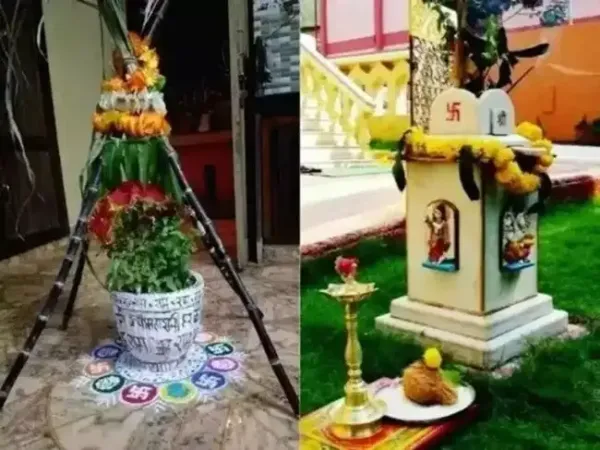
1. Clean the puja area and decorate Tulsi: Clean the space around the Tulsi plant and decorate the Tulsi Vrindavan with rangoli, flowers and lamps. A small mandap can be made using sugarcane stalks.
2. Dress Goddess Tulsi as a bride: Apply turmeric and vermilion and decorate the plant with a red or yellow cloth, flowers, bangles and other traditional ornaments. A small bridal face or symbolic decoration may also be used.
3. Prepare the groom, Lord Vishnu: Place a Shaligram stone near the Tulsi plant. Some families use an idol or image of Lord Krishna or Lord Vishnu instead.
4. Perform Ganesh and Vishnu puja: Begin by worshipping Lord Ganesha. Offer flowers, sandalwood, incense, a lamp and sweets to Lord Vishnu and Goddess Tulsi.
5. Perform the wedding ceremony: Treat the occasion like a traditional Hindu marriage. Apply a tilak, offer clothes and garlands, and perform the symbolic Kanyadaan of Goddess Tulsi. In some traditions, a white cloth called Antarpat is placed between Tulsi and Shaligram before being removed during the wedding mantras.
6. Perform aarti and distribute prasad: Conclude the ceremony with Tulsi and Vishnu aarti. Offer fruits, sweets, sugarcane and other traditional offerings before distributing prasad among family members and guests.
The rituals may differ across regions and communities. In Maharashtra, for instance, the Antarpat and Mangalashtak verses form an important part of the ceremony.
Vrinda was deeply devoted to her husband. Her unwavering faith and the power of her marital vow protected Jalandhar, making him nearly invincible in battle. As Jalandhar's power grew, he became increasingly arrogant and challenged the gods. His actions eventually led to a fierce battle with Lord Shiva.
The gods realised that defeating Jalandhar would be difficult as long as Vrinda's vow remained intact. They approached Lord Vishnu for help. Lord Vishnu then took the form of Jalandhar and approached Vrinda. Believing that her husband had returned, she welcomed him, unknowingly breaking the spiritual protection that had kept Jalandhar safe. With Vrinda's vow broken, Lord Shiva was able to defeat Jalandhar.
When Vrinda discovered the truth, she was devastated. She realised that Lord Vishnu had deceived her and cursed him to turn into stone. According to the popular account, Lord Vishnu accepted the curse and came to be worshipped in the form of the Shaligram stone. Vrinda later gave up her mortal body, and a Tulsi plant emerged from her ashes.
Lord Vishnu blessed Vrinda and promised that Tulsi would always hold a special place in his worship. He also declared that his worship would remain incomplete without Tulsi leaves. This is why devotees perform the marriage of Goddess Tulsi with Shaligram every year. The ceremony is seen as a symbolic fulfilment of Lord Vishnu's promise to Vrinda.
Different Hindu scriptures and regional traditions narrate the stories of Vrinda and Jalandhar and Tulasi and Shankhachuda in different forms. The popular account combines elements of these traditions, particularly the story of the curse that turns Vishnu into Shaligram.
Here is a look at the date, auspicious timings, puja vidhi and the popular story of Goddess Vrinda associated with Tulsi Vivah.
Tulsi Vivah 2026 date: November 20 or 21?
Tulsi Vivah will be celebrated on Saturday, November 21, 2026, according to the Kartik Shukla Dwadashi date in the Hindu calendar. However, there is a difference in the dates followed by some households. Several families perform the ceremony on the evening of Dev Uthani Ekadashi, which falls on November 20 this year. Others observe it on Dwadashi, November 21.| Festival detail | Date |
| Dev Uthani Ekadashi | November 20, 2026, Friday |
| Tulsi Vivah | November 21, 2026, Saturday |
| Kartik Shukla Dwadashi | November 21, 2026 |
| Kartik Purnima | November 24, 2026, Tuesday |
Tulsi Vivah 2026 shubh muhurat: What is the best time for the wedding?
The Tulsi Vivah ceremony is traditionally performed in the evening, particularly during Godhuli Vela, the auspicious twilight period around sunset. For New Delhi, the evening wedding muhurat listed by Panchang Guru is:- Date: November 21, 2026
- Godhuli and evening wedding period: 5:25 pm to 8:06 pm
- Preferred time: Around sunset and the beginning of the evening.
How to perform Tulsi Vivah 2026: Puja vidhi
Tulsi Vivah is celebrated much like a traditional Hindu wedding. The Tulsi plant is treated as the bride, while a Shaligram stone, representing Lord Vishnu, becomes the groom. Families arrange a small wedding mandap around the Tulsi plant and decorate it with flowers, rangoli, lamps and traditional ornaments.Here is a simple sequence of rituals generally followed during the ceremony:
1. Clean the puja area and decorate Tulsi: Clean the space around the Tulsi plant and decorate the Tulsi Vrindavan with rangoli, flowers and lamps. A small mandap can be made using sugarcane stalks.
2. Dress Goddess Tulsi as a bride: Apply turmeric and vermilion and decorate the plant with a red or yellow cloth, flowers, bangles and other traditional ornaments. A small bridal face or symbolic decoration may also be used.
3. Prepare the groom, Lord Vishnu: Place a Shaligram stone near the Tulsi plant. Some families use an idol or image of Lord Krishna or Lord Vishnu instead.
4. Perform Ganesh and Vishnu puja: Begin by worshipping Lord Ganesha. Offer flowers, sandalwood, incense, a lamp and sweets to Lord Vishnu and Goddess Tulsi.
5. Perform the wedding ceremony: Treat the occasion like a traditional Hindu marriage. Apply a tilak, offer clothes and garlands, and perform the symbolic Kanyadaan of Goddess Tulsi. In some traditions, a white cloth called Antarpat is placed between Tulsi and Shaligram before being removed during the wedding mantras.
6. Perform aarti and distribute prasad: Conclude the ceremony with Tulsi and Vishnu aarti. Offer fruits, sweets, sugarcane and other traditional offerings before distributing prasad among family members and guests.
The rituals may differ across regions and communities. In Maharashtra, for instance, the Antarpat and Mangalashtak verses form an important part of the ceremony.
Tulsi Vivah puja samagri: What items are needed?
Devotees generally arrange the following items for the ceremony:- Tulsi plant and Shaligram stone
- Red or yellow cloth for Goddess Tulsi
- Flowers, garlands and fresh leaves
- Kumkum, haldi, sandalwood and akshat
- Incense sticks, camphor and diyas
- Fruits, sweets, coconut and sugarcane
- Betel leaves and betel nuts
- Kalash and puja thali
- Bangles and other symbolic bridal ornaments
- Rangoli colours and materials for the wedding mandap
What is the Vrinda katha behind Tulsi Vivah?
The story of Tulsi Vivah is closely connected to Goddess Vrinda, her devotion to her husband Jalandhar and a curse that changed Lord Vishnu's form. According to a popular version of the Hindu legend, Jalandhar was a powerful demon king who was married to Vrinda, a woman known for her devotion and purity.Vrinda was deeply devoted to her husband. Her unwavering faith and the power of her marital vow protected Jalandhar, making him nearly invincible in battle. As Jalandhar's power grew, he became increasingly arrogant and challenged the gods. His actions eventually led to a fierce battle with Lord Shiva.
The gods realised that defeating Jalandhar would be difficult as long as Vrinda's vow remained intact. They approached Lord Vishnu for help. Lord Vishnu then took the form of Jalandhar and approached Vrinda. Believing that her husband had returned, she welcomed him, unknowingly breaking the spiritual protection that had kept Jalandhar safe. With Vrinda's vow broken, Lord Shiva was able to defeat Jalandhar.
When Vrinda discovered the truth, she was devastated. She realised that Lord Vishnu had deceived her and cursed him to turn into stone. According to the popular account, Lord Vishnu accepted the curse and came to be worshipped in the form of the Shaligram stone. Vrinda later gave up her mortal body, and a Tulsi plant emerged from her ashes.
Lord Vishnu blessed Vrinda and promised that Tulsi would always hold a special place in his worship. He also declared that his worship would remain incomplete without Tulsi leaves. This is why devotees perform the marriage of Goddess Tulsi with Shaligram every year. The ceremony is seen as a symbolic fulfilment of Lord Vishnu's promise to Vrinda.
Different Hindu scriptures and regional traditions narrate the stories of Vrinda and Jalandhar and Tulasi and Shankhachuda in different forms. The popular account combines elements of these traditions, particularly the story of the curse that turns Vishnu into Shaligram.
Significance of Tulsi Vivah: Why is the festival celebrated?
Tulsi is considered sacred in Hinduism and is closely associated with Lord Vishnu and Goddess Lakshmi. Many Hindu households worship the Tulsi plant daily and consider it a symbol of purity, prosperity and devotion. Tulsi Vivah holds particular importance for several reasons:- Beginning of the wedding season: The festival marks the end of Chaturmas, a period when traditional Hindu weddings are generally avoided.
- Blessings of Lord Vishnu: Devotees believe that performing Tulsi Vivah brings happiness, prosperity and divine blessings to the household.
- Marital happiness: Married women often perform the rituals for the well-being and long life of their husbands. Unmarried women also pray for a suitable life partner.
- Importance of Tulsi: The festival highlights the religious significance of the Tulsi plant, which is considered essential in the worship of Lord Vishnu.