Loading...
×The immediate priority is to close gaps in routine childhood immunisation.
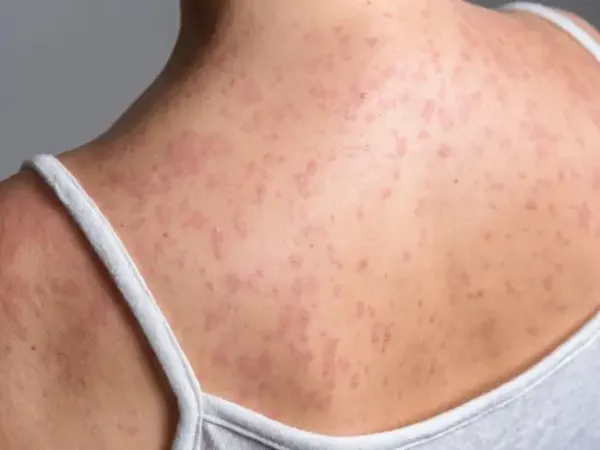
In 2000, the United States had declared measles an eliminated disease. Fast-forward nearly three decades, and the airborne viral illness is on its way to a sureshot comeback. As the country heads more toward a "no vaccination" attitude, measles, however, is not the only disease on the lookout for a return. Years of falling immunisation risks bringing back several infections among which are polio, rubella and even the whooping cough. To make matters worse, there are multiple factors that can determine the level of risk, and America is facing a number of grave questions regarding its community's health and future well-being.
This is a problem not only because of the resumption of an infection that the country believed to have been wiped out in 2000. The issue is whether the childhood immunisation program in the United States will be able to provide protection to communities in case of unequal vaccination coverage.
Also Read | $151 billion fortune, $36 million salary: How Jensen Huang makes his money at Nvidia
It appears that the current trend concerns not only this single virus. According to the US CDC, vaccination coverage among kindergarteners decreased with regard to all vaccines for the 2025–26 school year.
The rate of MMR and polio vaccine coverage was 92.4%, and DTaP vaccination covered 92% of the students. Exemptions from one or several vaccinations increased to 4.2% from 3.6% in the previous year.
These numbers are significant since childhood immunisation is intended not only to protect a child from illnesses but also to reduce the risk of infection transmission in educational institutions, households, and the community overall, especially with regard to children and adults unable to take vaccines for some reason.
Measles data from the CDC reveal the ramifications of low coverage.
According to the report by the CDC, there had been 5,182 confirmed cases in the USA as of November 5, 2026, out of which 96% were in individuals either not vaccinated for the disease or whose vaccination status could not be known.
More worrisome is the fact that the same communities vulnerable to lower rates of vaccinations are more vulnerable to other infections as well.
However, there are other diseases which require different vaccinations and forms of protection.
These include whooping cough (pertussis). This condition is capable of making children very sick, particularly those who are still in the process of completing the basic vaccinations.
DTaP vaccination is the type of vaccination that is administered in order to protect against diphtheria, tetanus, and pertussis, whereas Tdap is meant for the protection of older children and adults.
The CDC counted 28,783 cases of pertussis provisionally in 2025, a number that dropped from 43,321 in 2024. Numbers collected as of early 2026 indicate lower numbers when compared to the same period in 2025.
However, it is a highly important health problem. As the CDC notes, infants less than one year of age have the highest chances of developing severe pertussis conditions.
Another disease to be mentioned here is Polio. The disease is caused by a virus and results in paralysis, and in 1979, the disease was eradicated in the US due to vaccination.
However, there is a possibility of importation of the disease since the poliovirus is still present in certain parts of the world.
According to the CDC, there was one reported case of paralytic polio in New York in 2022, and the infection is genetically linked to the circulating poliovirus from abroad. It was suggested by the CDC that insufficient herd immunity may result in the spread of the imported poliovirus.
Also, the MMR vaccine protects people from mumps and rubella.
There may be relatively high figures of vaccination within a certain state, while there may be much lower figures of vaccination in schools, neighbourhoods, or particular communities in that state.
In case of a disease outbreak in communities with low figures of vaccination, the virus will easily spread among non-vaccinated people.
The figure from the CDC states that more than 95% of community members must be vaccinated in order to prevent measles transmission.
Nevertheless, the national MMR vaccination rate for kindergarteners is estimated to be only 92.4% in 2025-26. Roughly 280,000 children entered kindergarten not having records about their vaccination for the MMR series.
It is important to draw a line between low vaccination coverage and higher risks of disease outbreaks. Low vaccination coverage creates an environment for disease outbreaks.
This is a problem not only because of the resumption of an infection that the country believed to have been wiped out in 2000. The issue is whether the childhood immunisation program in the United States will be able to provide protection to communities in case of unequal vaccination coverage.
Also Read | $151 billion fortune, $36 million salary: How Jensen Huang makes his money at Nvidia
It appears that the current trend concerns not only this single virus. According to the US CDC, vaccination coverage among kindergarteners decreased with regard to all vaccines for the 2025–26 school year.
The rate of MMR and polio vaccine coverage was 92.4%, and DTaP vaccination covered 92% of the students. Exemptions from one or several vaccinations increased to 4.2% from 3.6% in the previous year.
These numbers are significant since childhood immunisation is intended not only to protect a child from illnesses but also to reduce the risk of infection transmission in educational institutions, households, and the community overall, especially with regard to children and adults unable to take vaccines for some reason.
Measles data from the CDC reveal the ramifications of low coverage.
According to the report by the CDC, there had been 5,182 confirmed cases in the USA as of November 5, 2026, out of which 96% were in individuals either not vaccinated for the disease or whose vaccination status could not be known.
More worrisome is the fact that the same communities vulnerable to lower rates of vaccinations are more vulnerable to other infections as well.
Could falling vaccination rates put other diseases at risk?
Measles makes an excellent case study as far as warning goes since the condition is highly infectious.However, there are other diseases which require different vaccinations and forms of protection.
These include whooping cough (pertussis). This condition is capable of making children very sick, particularly those who are still in the process of completing the basic vaccinations.
DTaP vaccination is the type of vaccination that is administered in order to protect against diphtheria, tetanus, and pertussis, whereas Tdap is meant for the protection of older children and adults.
The CDC counted 28,783 cases of pertussis provisionally in 2025, a number that dropped from 43,321 in 2024. Numbers collected as of early 2026 indicate lower numbers when compared to the same period in 2025.
However, it is a highly important health problem. As the CDC notes, infants less than one year of age have the highest chances of developing severe pertussis conditions.
Another disease to be mentioned here is Polio. The disease is caused by a virus and results in paralysis, and in 1979, the disease was eradicated in the US due to vaccination.
However, there is a possibility of importation of the disease since the poliovirus is still present in certain parts of the world.
According to the CDC, there was one reported case of paralytic polio in New York in 2022, and the infection is genetically linked to the circulating poliovirus from abroad. It was suggested by the CDC that insufficient herd immunity may result in the spread of the imported poliovirus.
Also, the MMR vaccine protects people from mumps and rubella.
Why do vaccination gaps matter even when national rates look high?
National averages fail to reflect regional problems.There may be relatively high figures of vaccination within a certain state, while there may be much lower figures of vaccination in schools, neighbourhoods, or particular communities in that state.
In case of a disease outbreak in communities with low figures of vaccination, the virus will easily spread among non-vaccinated people.
The figure from the CDC states that more than 95% of community members must be vaccinated in order to prevent measles transmission.
Nevertheless, the national MMR vaccination rate for kindergarteners is estimated to be only 92.4% in 2025-26. Roughly 280,000 children entered kindergarten not having records about their vaccination for the MMR series.
It is important to draw a line between low vaccination coverage and higher risks of disease outbreaks. Low vaccination coverage creates an environment for disease outbreaks.