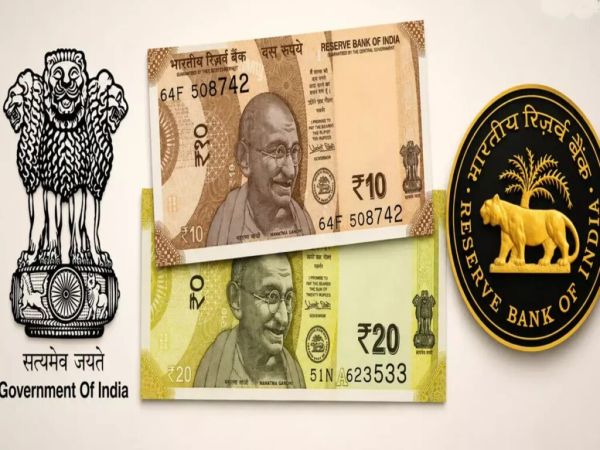
RBI Polymer Notes: India is set to take a major step in currency innovation as the Reserve Bank of India (RBI) plans to introduce its first polymer (plastic) currency notes. RBI Governor Sanjay Malhotra has said the new notes are expected to enter public circulation at the beginning of the next financial year, provided the ongoing pilot project delivers the expected results.
The central bank is currently testing polymer banknotes to determine how well they perform in India’s climate and day-to-day usage before deciding on a nationwide rollout.
When Will Plastic Currency Notes Be Introduced in India?
Speaking at the post-Monetary Policy Committee (MPC) press conference, RBI Governor Sanjay Malhotra said the central bank aims to circulate polymer notes early in the next financial year if the pilot project proceeds successfully.
However, he clarified that the timeline depends on the outcome of the ongoing trials and the necessary regulatory approvals.
Why Is RBI Introducing Polymer Currency Notes?
According to the RBI Governor, the move is driven by two major objectives:
1. Longer Lifespan
Polymer notes are significantly more durable than traditional paper currency.
Lower-denomination notes, which change hands frequently, wear out much faster due to constant circulation. Polymer notes are expected to remain usable for much longer, reducing replacement costs and improving currency management.
2. Meeting Future Currency Demand
The introduction of polymer notes will also help expand India’s currency printing capacity as the country’s economy continues to grow.
With increasing demand for cash, durable notes can improve efficiency while reducing the need for frequent reprinting.
Polymer Notes Last Much Longer Than Paper Currency
Highlighting the global experience with plastic banknotes, Malhotra said several countries have successfully used polymer currency for over three decades.
According to the RBI, polymer notes generally last three to four times longer than conventional paper notes, making them a cost-effective alternative over the long term.
Their durability also makes them more resistant to tearing, moisture, dirt and everyday wear.
RBI Is Still Conducting a Pilot Project
The central bank stressed that the initiative remains in the testing phase.
Before introducing polymer notes nationwide, the RBI wants to evaluate how they perform under India’s unique environmental conditions, including varying temperatures, humidity levels and existing cash-handling infrastructure.
The pilot will help determine whether any modifications are needed before large-scale production begins.
Tender Issued for Polymer Substrate
To move the project forward, the RBI has already floated a tender for the polymer substrate, the specialized plastic material used to manufacture the new currency notes.
Once the substrate is procured, the notes will undergo multiple rounds of testing, including security verification and performance assessments, before receiving final approval for circulation.
What Are Polymer Notes?
Polymer banknotes are made from a durable plastic material instead of cotton-based paper.
They offer several advantages over conventional currency, including:
- Longer lifespan.
- Greater resistance to water, dirt and tearing.
- Improved security features to reduce counterfeiting.
- Lower replacement costs over time.
- Better print quality and durability.
Many countries, including Australia, Canada, the United Kingdom and New Zealand, already use polymer currency notes.
What Happens Next?
For now, the RBI will continue evaluating the pilot project before making a final decision on wider adoption.
If the testing phase is successful and all security clearances are completed, India’s first polymer currency notes are expected to enter circulation at the start of the next financial year, marking a significant modernization of the country’s currency system.
The introduction of plastic banknotes could improve the durability of cash, reduce printing costs and strengthen India’s currency management in the years ahead.
Contact to : xlf550402@gmail.com
Copyright © boyuanhulian 2020 - 2023. All Right Reserved.