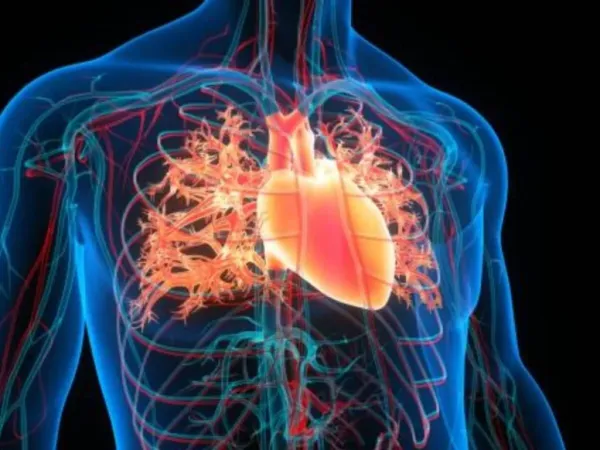
It is often seen that after a heart attack, people become physically very lethargic. They feel that now their heart has become weak, so they should not move much so that there is no pressure on the heart. If you also think so, then be careful! This belief is not only wrong but can also be dangerous for your health. If your body has recovered from surgery or treatment after a heart attack, then it is very important to start physical activity and workout again on the advice of doctors. Our heart is like any other muscle of the body, which can be strengthened only through exercise. Avoiding exercise after a heart attack means inviting the disease for the second time. Let us know when and which exercise to do after recovery can prove to be a life-saver for you. When to start working out? Know the timeline. The final decision about when you have to start exercising after a heart attack always depends on your doctor and your treatment method. However, in general, very low-level activities are recommended during the first to sixth weeks (1 to 6 weeks). In the beginning, walk only for 2 to 3 minutes every day. Gradually increase this time and set a target of walking for at least 30 minutes 5 days a week. Apart from walking, you can also do daily activities like light cleaning of the house or gardening slowly for 10 minutes. 5 Safest and Easiest Exercises for Heart Attack Recovery After heart- treatment, you can make these light exercises a part of your routine to increase stamina and blood circulation without putting extra stress on the body: Short Walk: Start with a 5 to 10 minute walk daily in the initial days of recovery. It increases the efficiency of your body without any stress. Deep breathing: Do breathing exercises along with short walks. Taking long and deep breaths in and out reduces mental stress and keeps the heartbeat calm and controlled. Upper body stretching: If you have had open heart or any other surgery, do light stretching of the arms and shoulders as per the doctor’s advice after 1 to 6 weeks. This keeps the muscles of the upper body active and relaxed. Heel Raises: This is an excellent exercise to maintain proper blood flow from the heart to the feet. In the beginning, stand with the support of a chair and slowly move your heels up and down. This strengthens the legs. Sit to Stand: This is a very safe exercise. For this, sit on a strong chair and then stand up slowly without jerking, then sit. This process safely increases the strength of your lower body. Never ignore these 3 red signals during workout. Heart patients need to be extremely cautious while exercising. If you feel any of the following 3 symptoms during or after exercise, stop the workout immediately and contact your cardiologist (heart doctor) without delay: Chest Pain, Sudden dizziness or darkness in front of the eyes (Dizziness) Excessive shortness of breath or difficulty in breathing (Shortness of Breath)
Contact to : xlf550402@gmail.com
Copyright © boyuanhulian 2020 - 2023. All Right Reserved.