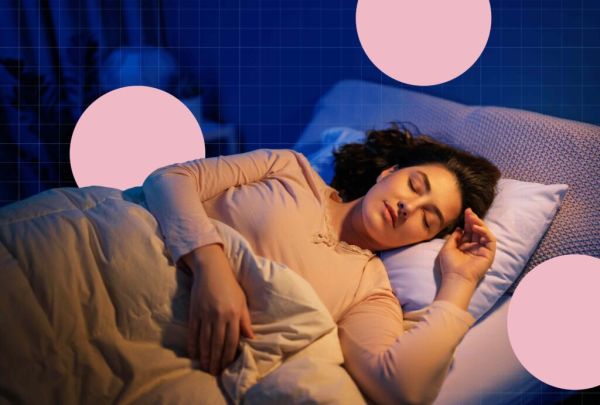
Comfort is key, but one sleeping position in particular is backed by experts and research for its benefits.
Reviewed by Dietitian Mandy Enright, M.S., RDN, RYT
Key Points
- The best position is the one that’s most comfortable for you, but there are pros and cons to each.
- Side sleeping supports spinal alignment and a more open airway, making it ideal for most people.
- Back sleeping may worsen snoring and sleep apnea but can be improved with a pillow under the knees.
To wake up feeling truly refreshed, how you sleep may matter just as much as how long you sleep. Quality rest is essential for maintaining your physical health, mental sharpness and overall well-being. But while most people focus on a soothing bedtime routine, your sleeping position could be the secret to getting restorative shut-eye.
In this article, you’ll learn how your sleep position may affect everything from snoring to morning aches and pains, and what is recommended for better rest. You’ll also find practical tips you can start tonight to wake up feeling more refreshed.
Is There a Best Sleeping Position?
The way you position your body during sleep can influence not just how refreshed you feel in the morning, but also how well your airway stays open and how aligned your spine remains overnight. While side, back and stomach sleeping each have pros and cons, there’s no universal “best” position for everyone.
“The best sleeping position is the one that feels the most comfortable, such that you get the most sleep,” says sleep expert Michael Gradisar, M.D. He does add a caveat that if your most comfortable position happens to be on your back, it’s still better to get some rest in that position than to sacrifice sleep entirely—though back sleeping may come with certain drawbacks, which we’ll get into later.
Poor sleep posture can trigger a cascade of issues if it impacts your sleep quality. “Insufficient or impaired sleep causes increased production of stress hormones,” notes sleep specialist Emma Lin, M.D. “It leads to increased severity of asthma or sleep apnea. The breathing system and muscles do not have time to recover properly,” Lin says.
Sleeping on Your Side
Side sleeping, also known as lateral sleeping, is the most common sleep posture for adults, and research suggests it is highly beneficial for overall sleep quality.
A recent observational study found that sleeping on your side is linked to reduced sleep disruptions compared to back sleeping. The lateral position naturally helps keep your airway open, which led to a massive reduction in respiratory arousals and sleep apnea symptoms in the study’s participants.
Furthermore, another observational study concluded that side sleepers often experience better subjective sleep quality. The study noted that participants who favored sleeping on their right side experienced the longest duration of deep, slow-wave sleep and fewer awakenings throughout the night.
The downside of side sleeping is that it can put pressure on your shoulders and hips. To prevent spinal misalignment, you can place a pillow between your knees to keep your hips square and reduce stress on your lower back.
Sleeping on Your Back
Sleeping on your back, or the supine position, can be polarizing among the medical community. While it allows your body weight to be distributed evenly across the mattress, it can be problematic for your breathing.
“Out of all sleeping positions, the worst one—backed by scientific evidence—would have to be sleeping on one’s back,” Gradisar explains. “Chiefly, because there’s such a stark increased probability of snoring and sleep apnea symptoms.” Gradisar notes that with increased severity of these breathing symptoms, multiple metabolic disorders may occur over years of snoring on one’s back.
Additionally, back sleeping is not always great for the spine. Sleeping on a firm mattress in the supine position can flatten the natural curve of the lower back. Over sustained periods, this can lead to spinal discomfort or an increase in lower back pain for some individuals. If you must sleep on your back, placing a small pillow under your knees can help maintain the natural curve of your spine.
Sleeping on Your Stomach
Stomach sleeping, or the prone position, is the least common sleep posture and is generally considered the most stressful on the body.
While sleeping on your stomach might temporarily reduce snoring, it is incredibly taxing on your spine. Because you have to turn your head to the side to breathe, your cervical spine remains in a rotated position for hours. This sustained twisting can cause microdamage to spinal tissues and ligaments, frequently leading to morning neck pain, stiffness and lower back aches. So even if you wake up well-rested if you sleep on your stomach, it may be at the expense of your spinal health.
Tips for Better Sleep
Your sleeping position is just one part of the sleep hygiene equation. To help optimize your rest, the Centers for Disease Control and Prevention recommends relying on these daily habits:
- Go to bed at the same time. Going to bed and getting up at the exact same time every day (including weekends!) anchors your circadian rhythm.
- Optimize your environment. Keep your bedroom quiet, relaxing and at a cool temperature.
- Have a bedtime routine. Turn off electronic devices at least 30 minutes before bedtime to reduce stimulating blue light exposure.
- Watch your alcohol intake. Avoid alcohol before bedtime, as it can disrupt your sleep architecture.
- Limit caffeine. Limit caffeine throughout the day, and avoid caffeine in the afternoon or evening so it does not interfere with your ability to fall asleep.
- Stay active. Exercising regularly and maintaining a healthy diet can naturally deepen your sleep drive at night.
Our Expert Take
When it comes to the best sleeping position, comfort and continuous rest are your top priorities. Side sleeping generally offers the best balance of spinal support and open airways, making it an excellent choice for most people, especially those prone to snoring or sleep apnea. Back sleeping can be comfortable for your joints but carries risks for respiratory disruptions, while stomach sleeping should generally be avoided to protect your neck and spine.
If you frequently wake up in pain or feel exhausted despite spending eight hours in bed, try adjusting your position with the help of supportive pillows. However, as Gradisar points out, you should always see a health care professional to address any underlying medical sleep disorders if your rest does not improve.
Contact to : xlf550402@gmail.com
Copyright © boyuanhulian 2020 - 2023. All Right Reserved.