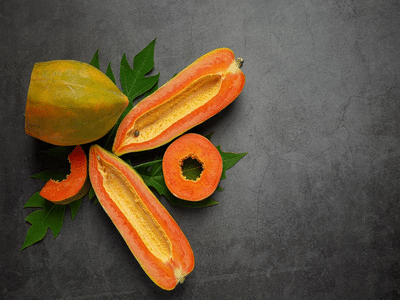
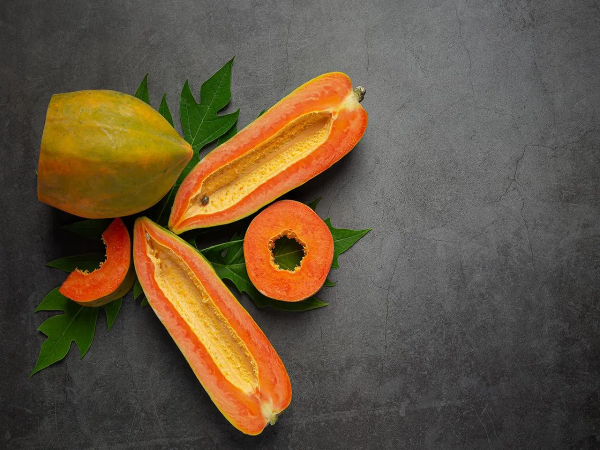
Fruits are widely known for their health benefits, but growing concerns about food safety have made consumers more cautious than ever. In today’s markets, many fruits are artificially ripened using harmful chemicals to speed up the process and increase profits. Papaya is among the fruits most commonly affected by this practice. While these chemically treated papayas may look appealing on the outside, their nutritional value and safety can be compromised internally.
This makes it essential for buyers to understand how to differentiate between naturally ripened and chemically ripened papayas. Being aware of these signs can help you make safer choices and protect your health, especially for children and elderly family members who are more vulnerable to harmful substances.
What Authorities Say About Artificial RipeningAccording to the Food Safety and Standards Authority of India, the use of certain chemicals like calcium carbide to ripen fruits is strictly prohibited. This substance reacts with moisture to release acetylene gas, which accelerates the ripening process artificially. However, it may also contain traces of toxic elements such as arsenic and phosphorus, making it unsafe for consumption over time.
The authority has repeatedly warned that such practices not only degrade the quality of fruits but can also lead to serious health issues if consumed regularly. Therefore, identifying such adulteration before purchase is crucial.
Why Chemically Ripened Papaya Is a ConcernArtificially ripened papayas may look fresh and vibrant, but they often lack proper taste, texture, and nutrients. In some cases, the fruit may ripen unevenly, appearing perfect outside but remaining underdeveloped inside. Long-term consumption of such fruits can negatively impact digestion and overall health.
Simple Ways to Identify Chemically Ripened PapayaUnderstanding a few basic indicators can help you identify whether a papaya is naturally ripened or chemically treated:
1. Observe the Color Carefully
Naturally ripened papayas usually display a uniform yellow to orange color across the surface. In contrast, chemically ripened ones may appear overly bright yellow with patches of green, indicating uneven ripening.
2. Check the Aroma
A ripe papaya typically emits a mild, sweet fragrance. If the fruit lacks any noticeable smell or gives off an unusual odor, it may have been artificially ripened.
3. Feel the Texture of the Skin
Gently press the papaya. A naturally ripened fruit will feel slightly soft and yield to pressure. Chemically ripened papayas may feel either too firm or inconsistently soft in different areas.
4. Examine the Pulp After Cutting
When you cut open a papaya, the inside should be juicy, soft, and sweet. If the pulp feels hard, tasteless, or dry, it could be a sign of artificial ripening.
5. Watch for Quick Spoilage
One major red flag is rapid spoilage. Chemically ripened papayas may look fine externally but can start rotting from the inside within a short time. Naturally ripened fruits, although perishable, maintain freshness for a reasonable duration.
With increasing cases of food adulteration, consumers must remain vigilant. Always buy fruits from trusted vendors and avoid those that look unnaturally bright or perfectly colored. Washing fruits thoroughly before consumption is also a good practice to reduce potential contamination.
ConclusionPapaya is a highly nutritious fruit, but its benefits depend on its quality and how it is ripened. By learning to identify the signs of chemical ripening, you can safeguard your health and that of your loved ones. A little awareness at the time of purchase can go a long way in ensuring that the food you consume is safe, natural, and truly beneficial.
Contact to : xlf550402@gmail.com
Copyright © boyuanhulian 2020 - 2023. All Right Reserved.