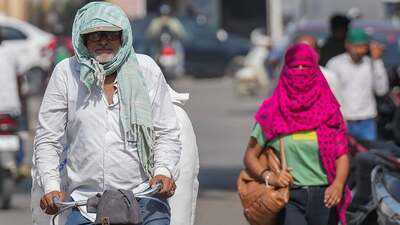
India is currently at the centre of a global heat surge, with 95 of the world’s 100 hottest cities located in the country, according to real-time temperature rankings compiled by AQI.in.
The data, recorded at 5:00 pm on 24 April, underscores the scale and intensity of the ongoing heatwave affecting large parts of the country.
Temperatures have crossed 40°C in dozens of cities across central India and the Indo-Gangetic plains, with several locations nearing the 45°C mark.
States including Maharashtra, Telangana, Madhya Pradesh, Uttar Pradesh and Odisha feature prominently in the global top 100 list, reflecting the widespread nature of the heatwave.
Unlike localised heat events, the current conditions are affecting multiple regions simultaneously, pushing a large number of Indian cities into extreme temperature rankings at the same time.
Meteorological factors behind surgeExperts attribute the surge to persistent dry winds, clear skies and delayed pre-monsoon activity, which have allowed daytime temperatures to rise sharply.
Warm nights have further reduced cooling, intensifying heat stress across urban and rural areas alike.
The India Meteorological Department has issued heatwave warnings for several regions, cautioning that high temperatures are likely to persist in the coming days.
Delhi braces for heatwave as temperatures rise and air quality worsens Health risks and urban impactProlonged exposure to such extreme temperatures increases the risk of heat-related illnesses, particularly for vulnerable groups such as the elderly, children and outdoor workers.
Experts also point to urban heat island effects, reduced green cover and changing climate patterns as factors amplifying the severity of heat in cities.
Possible but limited reliefForecasts indicate the possibility of thunderstorms and gusty winds in parts of eastern and northeastern India, which may bring temporary respite.
However, meteorologists say a sustained drop in temperatures is unlikely until stronger pre-monsoon systems develop or the monsoon advances further.
The current heatwave highlights the growing frequency and scale of extreme weather events in India, with scientists linking such patterns to broader climatic shifts and rising baseline temperatures.
For now, India accounts for the overwhelming majority of the world’s hottest cities, reflecting both the immediacy of the crisis and the challenges posed by a warming climate.
Population living in extreme heat to more than double by 2050 if 2°C warming occursContact to : xlf550402@gmail.com
Copyright © boyuanhulian 2020 - 2023. All Right Reserved.