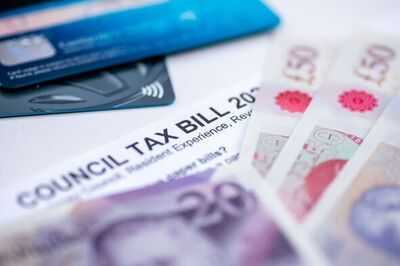
Households in England will see a monthly council tax bills cut which could be worth £30 a month on average following a law change.
Today (Wednesday, April 15) the government announced several changes to council tax aimed at helping households struggling with the monthly bill, which pays for a range of local services from bin collections to leisure centres, parks and social care.
In the sweeping changes, the government confirmed that council tax bills will from April 2027 default to 12 monthly payments instead of 10, which will lower the average bill per month for households.
It is also changing the rules on debt collection, giving people longer to pay their missed bills before enforcement action, following pressure from campaigner Martin Lewis.
The average Band D council tax set by local authorities in England for this year is £2,392, which is an increase of £111 or 4.9% on the 2025-26 figure.
Assuming the maximum possible increase of 4.9% next April, that would take the average council tax bill up to £2,511 from April 2026.
But, with the new rules from April 2027 splitting payments into 12 monthly payments instead of 10, the average monthly payment would be £209.25 per month, instead of £239.20 as it is now, meaning the bill per month would be approximately £30 lower, but the payment would be paid over 12 monthly installments instead of 10.
The Ministry for Housing, Communities and Local Government confirmed the changes.
From April 2027, councils will not be allowed to demand payment in full for council tax bills for 63 days, an increase from the current three weeks.
It said in a statement: "Payments for council tax will be automatically shifted to 12 months by default, but households who continue to wish to pay over 10 months will be able to do so. It means struggling households will be able to spread the annual cost across a longer period.
"Proportionate action will continue to be taken against those who avoid paying council tax, but these reforms will make sure there is more help and support available for people in genuine hardship.
"The government will also update the name and definition of the Severely Mentally Impaired council tax discount when parliamentary time allows, removing the stigma that puts off vulnerable people from seeking the support they are entitled to. Work will be undertaken in partnership with disability charities and local authorities to design a standardised application form and reduce barriers to make the process clearer and improve access to this support.
"These reforms build on the wider changes the government has taken to fix the foundations of local government, so that it can once again be an engine of growth. This programme on local government reform will ensure that local people can continue to benefit from high quality services.
"This includes introducing the first multi-year financial settlement in a decade, giving councils the certainty they need to plan ahead and transform services, with a 24.3% increase in Core Spending Power for local authorities and nine in ten councils receiving funding that broadly matches their need - up from three in ten, with the government ensuring taxpayers are getting value for money and better services."
Minister for Local Government Alison McGovern said: "We know the way council tax is run is outdated and confusing and has stopped some of the most vulnerable people from accessing the support they need.
"Our changes will cut through the complexity and make sure that council tax is fit for the 21st century."
Contact to : xlf550402@gmail.com
Copyright © boyuanhulian 2020 - 2023. All Right Reserved.