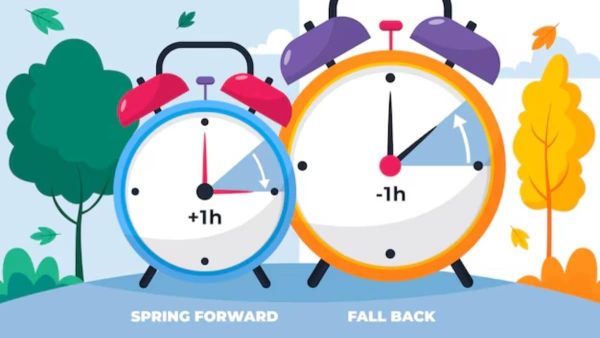
Daylight Saving Time is all the Internet seems to be talking about from late Sunday evening to Monday morning. While the occurrence happens annually, it sparks discussions and confusion each time. Twice every year, millions of people across the world adjust their clocks by an hour as part of a long-standing system known as Daylight Saving Time.
In 2026, the shift took place on March 8, when clocks were advanced by one hour at 2:00 am in several regions of the United States and Canada. While the change may seem minor, it alters daily routines, sleep cycles and even business schedules. India does not observe Daylight Saving Time, so the clocks here remain unchanged.
Why does time change suddenly during Daylight Saving Time?
The concept behind Daylight Saving Time is rooted in the idea of making better use of natural daylight. By shifting the clock forward in spring, daylight extends further into the evening hours. This means people have more sunlight after work or school, reducing the need for artificial lighting during the early evening.
The March effect of Daylight Saving Time?
How to adjust to Daylight Saving Time?
For those living in regions where Daylight Saving Time is observed, small lifestyle adjustments can make the transition easier.
Ease into a new sleep routine
Gradually going to bed earlier a few days before the shift can help minimise fatigue.
Step outside in the morning
Natural sunlight is one of the most effective ways to reset the body’s biological clock.
Limit late-night stimulants
Reducing caffeine intake in the evening can help maintain healthy sleep patterns.
Maintain consistent daily habits
Regular meal times and physical activity can help the body adapt more smoothly.
Contact to : xlf550402@gmail.com
Copyright © boyuanhulian 2020 - 2023. All Right Reserved.