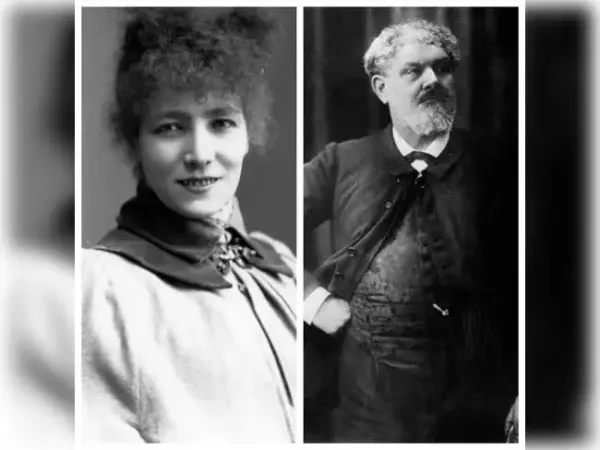
As Valentine’s Day 2026 draws near, the language of love feels increasingly compressed into emojis and instant messages. Yet history reminds us that desire once travelled slowly, folded into paper, sealed with ink, and written with a daring that bordered on the theatrical. Few love letters capture that fearless intensity as vividly as those written by Sarah Bernhardt, the most celebrated actress of her age, to French poet and dramatist Jean Richepin.
Their correspondence, steeped in passion and artistic fervour, offers a glimpse into a time when love and creation were inseparable, and when the written word carried the weight of obsession, surrender and command.
Jean Richepin, meanwhile, was a literary firebrand. A poet, novelist and dramatist associated with the Naturalist movement, he was known for his defiance of convention and his willingness to scandalise polite society. Their meeting was less a collision than a combustion, two volcanic temperaments recognising one another instantly.
One letter, preserved in later anthologies of romantic correspondence, remains among the most quoted love missives of the 19th century:
“Carry me off into the blue skies of tender loves, roll me in dark clouds, trample me with your thunderstorms, break me in your angry rages. But love me, my adored lover.”
The language is unmistakably Bernhardt, physical, violent, ecstatic. Love, for her, was not gentle reassurance but a force of nature, something to be endured and exalted. These letters blurred the line between performance and confession, revealing a woman who demanded intensity not only from her art, but from her heart.
Bernhardt’s commitment to Richepin’s work elevated his theatrical presence, while his writing offered her characters that allowed emotional extremity without apology. Love letters flowed alongside scripts, each feeding the other. Their romance became a laboratory where language, desire and performance merged.
Even decades later, their professional bond endured. Richepin would go on to write the scenario for Bernhardt’s 1916 wartime film Mères Françaises (Mothers of France), underscoring how their creative connection survived long after the most fevered days of passion had passed.
The episode only cemented her legend, a woman who lived as fiercely as she performed. For Bernhardt, emotion was never meant to be hidden. It was to be expressed, embodied and, if necessary, weaponised. Richepin, himself no stranger to controversy, seemed both witness to and accomplice in this theatrical approach to life.
From Gustave Flaubert confessing to Louise Colet that “Only three things are infinite: the sky in its stars, the sea in its drops of water, and the heart in its tears,” to Elizabeth Barrett Browning writing to Robert Browning, “You have lifted my very soul up into the light of your soul,” such letters remind us that intensity was once not only permitted, but prized.
What sets Bernhardt apart is her refusal to soften desire. Where others trembled or hoped, she commanded and surrendered simultaneously. Her declaration, “I was born to be yours” was not a plea, but a statement of destiny.
Their story resists neat conclusions. There was no tragic deathbed farewell, no formal union to sanctify the passion. Instead, what remains are letters, fragments of a relationship that burned brightly without promising permanence.
Their correspondence, steeped in passion and artistic fervour, offers a glimpse into a time when love and creation were inseparable, and when the written word carried the weight of obsession, surrender and command.
Sarah Bernhardt to Jean Richepin: A diva and a rebel of letters
By the early 1880s, Sarah Bernhardt was already a phenomenon. Hailed as La Divine, she dominated European stages with her voice, physicality and emotional daring. She was admired, feared and imitated, a woman who refused to live quietly in a world that preferred its actresses compliant.Jean Richepin, meanwhile, was a literary firebrand. A poet, novelist and dramatist associated with the Naturalist movement, he was known for his defiance of convention and his willingness to scandalise polite society. Their meeting was less a collision than a combustion, two volcanic temperaments recognising one another instantly.
Sarah Bernhardt to Jean Richepin: Letters written in flame
In 1883, Bernhardt began writing to Richepin in a tone that still startles modern readers. These were not tentative notes of affection but full-bodied declarations, written with the same excess and drama she brought to the stage.One letter, preserved in later anthologies of romantic correspondence, remains among the most quoted love missives of the 19th century:
“Carry me off into the blue skies of tender loves, roll me in dark clouds, trample me with your thunderstorms, break me in your angry rages. But love me, my adored lover.”
The language is unmistakably Bernhardt, physical, violent, ecstatic. Love, for her, was not gentle reassurance but a force of nature, something to be endured and exalted. These letters blurred the line between performance and confession, revealing a woman who demanded intensity not only from her art, but from her heart.
Sarah Bernhardt to Jean Richepin: Romance as artistic fuel
Their relationship was never merely personal. It was deeply creative. Richepin wrote for Bernhardt, tailoring roles that suited her dramatic instincts. One of the most notable collaborations was La Glu, staged at the Ambigu, a play steeped in passion and destructive desire, themes that mirrored their own entanglement.Bernhardt’s commitment to Richepin’s work elevated his theatrical presence, while his writing offered her characters that allowed emotional extremity without apology. Love letters flowed alongside scripts, each feeding the other. Their romance became a laboratory where language, desire and performance merged.
Even decades later, their professional bond endured. Richepin would go on to write the scenario for Bernhardt’s 1916 wartime film Mères Françaises (Mothers of France), underscoring how their creative connection survived long after the most fevered days of passion had passed.
Sarah Bernhardt to Jean Richepin: The theatre of real life
True to their reputations, drama did not remain confined to paper or stage. During their association, Richepin was present at one of Bernhardt’s most infamous real-life incidents. In a fit of rage directed at a rival actress, Bernhardt reportedly attacked her with a whip before being forcibly restrained.The episode only cemented her legend, a woman who lived as fiercely as she performed. For Bernhardt, emotion was never meant to be hidden. It was to be expressed, embodied and, if necessary, weaponised. Richepin, himself no stranger to controversy, seemed both witness to and accomplice in this theatrical approach to life.
Sarah Bernhardt to Jean Richepin: Love letters in a larger tradition
Bernhardt’s letters belong to a grand lineage of historical correspondence where love was articulated with startling frankness. Across centuries, writers, artists and thinkers entrusted paper with their most vulnerable selves.From Gustave Flaubert confessing to Louise Colet that “Only three things are infinite: the sky in its stars, the sea in its drops of water, and the heart in its tears,” to Elizabeth Barrett Browning writing to Robert Browning, “You have lifted my very soul up into the light of your soul,” such letters remind us that intensity was once not only permitted, but prized.
What sets Bernhardt apart is her refusal to soften desire. Where others trembled or hoped, she commanded and surrendered simultaneously. Her declaration, “I was born to be yours” was not a plea, but a statement of destiny.
A relationship beyond romance
Jean Richepin would go on to achieve institutional recognition, becoming a member of the Académie française. Bernhardt’s fame, meanwhile, only expanded, crossing continents and mediums. Their lives diverged, yet Richepin remained a constant professional presence, adapting works and collaborating with her well into the 20th century.Their story resists neat conclusions. There was no tragic deathbed farewell, no formal union to sanctify the passion. Instead, what remains are letters, fragments of a relationship that burned brightly without promising permanence.